
Medical Tourism Marketing
Marketing for medical and health tourism is all about trust. Patients have many concerns when it comes to seeking care abroad. Is it safe? What’s the real cost (including travel and accommodations)? What happens if there are complications postoperative? Why should I seek care abroad versus my home country?

Go Global.
Stay Patient-Centered.
Marketing for medical and health tourism is about more than presenting a solution to a problem, it must be an educational experience that alleviates all of a patient’s concerns. Great marketing builds trust and patient confidence that they are making the right choice. This requires much more than great ads, it requires a strategic approach to marketing that includes funnel builds, retargeting, great website content, SEO, and email campaigns. The challenge in medical tourism is that you’re not only competing with other providers in your country, you’re competing with every other country in the world that offers comparable services. That’s a lot of competition!

Why Trust Us For Medical Tourism Marketing?

Healthcare Marketing Pros
Experienced in addiction treatment, we help you outpace competitors in brand visibility and patient acquisition.

Driven by More Than Data
Data creates the foundation, and we have over 3 billion in healthcare-related marketing data from client campaigns, but strategy is what drives results, which is where our team excels.

Sending You More Patients
We attract more patients and strengthen your systems to support them.
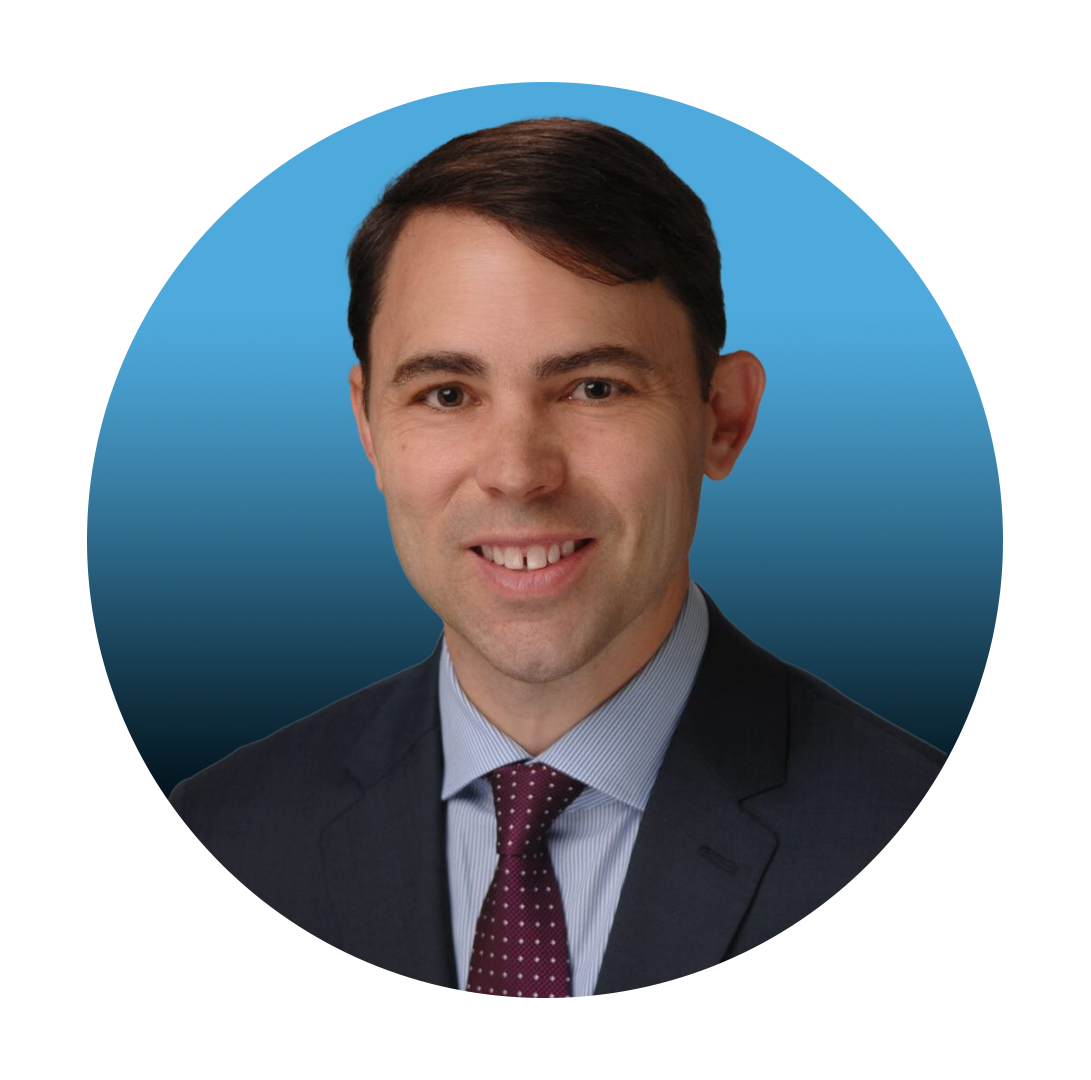
Tom Britton
American Addiction Centers - CEO
I'm so thankful to Nick and the Circle Social team for their support and strategic partnership. AAC is on the path to excellence with a focused mission to yield the highest quality care to maximize our patients ability to reach their full potential. It is through partnership and unity that our field moves into the new era of accountability and impact!

Laurie Mayer
Caron Treatment Centers - CMO
We are currently working with Circle Social via their 360 Degree Provider Optimization Plan. The work to-date that they have done for our organization is by far the most comprehensive and intentional that we have ever received. The amount of insight and recommendations they have shared in a very short period of time is incredible. I cannot stress enough how comprehensive their approach to the scope has been. We look forward to our continued partnership with Nick and his team.

Lee Dillworth
ReVIDA Recovery® Center - Owner & CEO
Circle Social has delivered on everything they promised for over two years. They are real pros -- subject matter experts who are honest, objective, consultative, creative -- and totally committed to their clients' success.

Mukta Aggarwal
UHS - Director of Digital Marketing
As part of UHS’s media team, I worked with Circle Social from 2017 to 2021. They started as consultants, they have an in-depth understanding of SUD/BH business, right from marketing to insurance to facility operations and patient care. Their recommendations helped us identify key areas of improvement that would impact bottom line.
Later in 2018, their team started supporting us in marketing campaigns. They are very ROI focused and help generate demand instead of just depending on intercepting it.

Heather Hudiburgh
Roots Renewal Ranch - COO
Circle Social has been a complete game changer for us in our business! Jared and Nick have been so communicative and have listened to all of our feedback. Circle Social is versed in behavioral health and has driven our SEO quickly and efficiently. Circle Social becomes part of your team and lends so much support and experience, we look forward to continuing to partner with them!

Tyler Tisdale
Pinnacle Peak Recovery - Owner & CEO
Circle Social has the most industry data bar none. Addiction treatment marketing is not only extremely competitive, but it can be confusing and expensive trying to navigate it. Nick and his team have been out to our center twice. They instilled confidence in our practices and we were able to cut a lot of overhead leveraging the data they have. I highly recommend using Nick and Circle Social for your consulting or marketing needs.

Parker Polidor
CaredFor - CEO
The team at Circle Social was so helpful with our LI and FB advertising. Of course the execution was on point, but more importantly they took the time to walk us through the "why" behind the "what". I felt that we had a true partnership and they invested time to really understand our business and it's long term goals. I'd definitely recommend Nick and the rest of the team.

Matt Feehery
Foundations Recovery Network - CEO
Circle Social helped Foundations Recovery Network streamline its digital marketing department, and SEO and SEM processes. Their efforts helped us significantly reduce our PPC expense while maintaining similar quality call volume and results. They developed and launched our Facebook marketing campaigns that yielded increased traffic to our websites and calls to our centers. They were collaborative, efficient, and affordable.

Drew Powers
Sandstone Care - COO
Nick and Jared have tremendous amounts of integrity and are always honest, even when it's not what the customer wants to hear. Have worked with them extensively and always been impressed.

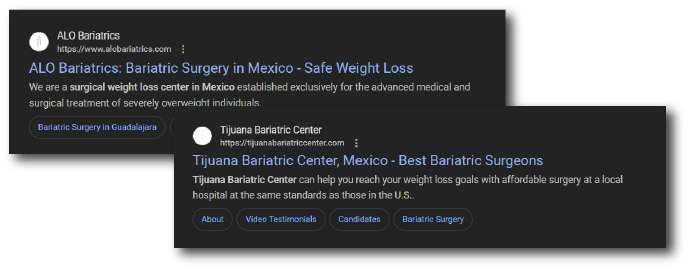
Explode Your Online Visibility
Do you show up when patients search for your services? In a crowded and competitive global healthcare market, online visibility is everything. With Circle Social’s proven strategies, your brand can rise above the noise so international patients find you first, trust you faster, and choose you with confidence. Let’s turn search traffic into booked appointments.
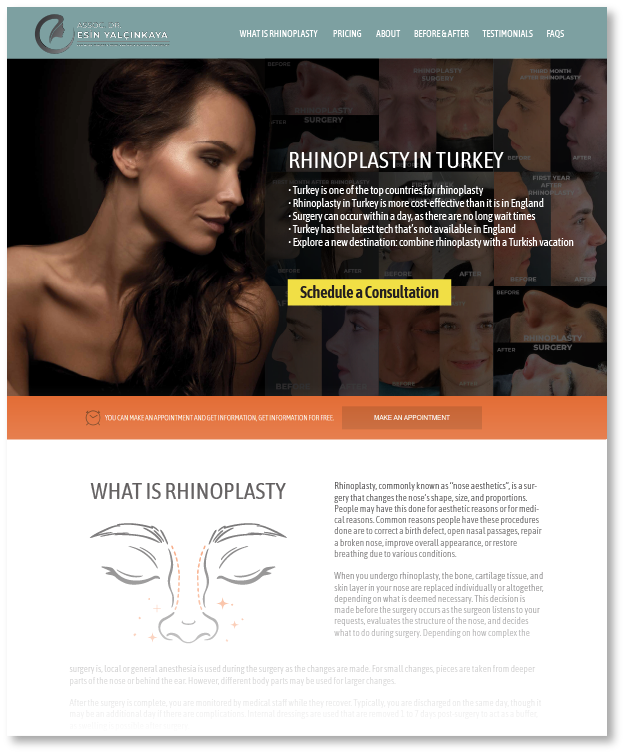

State-of-the-Art Technology: Patients Want the Best
A big fear many patients have when seeking healthcare services abroad is the use of cheap or outdated equipment or techniques. For example, patients expect minimally invasive, laparoscopic surgery to reduce healing time and scarring.
Before patients make an important healthcare choice, they will do a lot of research and usually have an idea of what they’re looking for when it comes to technology, technique, and type of service. Obviously, as the medical professional, you will be making the final recommendation, but, if you don’t have what they’re looking for on your website, you won’t even get the call to make an alternative recommendation when appropriate.
Specialization Helps Attract Patients
One advantage to medical tourism is that providers can specialize rather than be generalists. Rather than providing all types of bariatric surgery, maybe you or your team specialize in gastric sleeve surgeries. Maybe instead of dental crowns, you specialize in all-on-4 dental implants.
These kinds of very specific specializations give patients confidence because they know that you have completed hundreds or thousands of their type of surgery. That’s not to say you can’t offer a standard array of services under your specialization, but we have seen that further micro specialization can help attract patients to you compared to other providers that offer more general services.
Cost Always Matters
Obviously, cost is critical. If patients can’t get significantly cheaper services through you compared to their home country, there is often little incentive for them to travel abroad to do so. The only exceptions here are if you’ve developed an international reputation for a high level of expertise in a specific area or if you provide a service that they can’t receive in their home country.
Travel Arrangements: You’re More Than a Medical Provider
Unlike traditional healthcare for local patients, patients coming from abroad need travel services as well. Any barrier to coming over, such as having to figure out flights and hotels, or being concerned about getting from the airport to your office without knowing the language, make it less likely patients will come to you.
For this reason, medical tourism providers have to act as a hybrid travel agency + medical provider. This may or may not have to be done directly through your office. Some countries have a strong infrastructure of medical tourism facilitators or you can even contract with an agency in the patient’s home country to arrange travel, accommodation, meals, and translation services.
Just be aware that, if you contract this service out, finding the right partner is of the utmost importance. If your contracted partner provides a poor experience, patients will change their mind about traveling abroad for care. Your partner becomes an extension of your reputation, so choose wisely.
By bringing travel arrangements in house, it creates more for you to manage, but also allows you better quality control of the services delivered. For smaller or new providers, we recommend looking at contracting out. For larger or established providers, this should be brought in house.
Regardless of who communicates with patients, it’s critically important that they speak fluent English. This doesn’t necessarily mean that you need to hire a native English speaker (though that never hurts), but it does mean that you need someone that speaks very well with an accent that is understandable to the average patient.
Country-specific Phone Numbers Increase Inquiries
Finally, it’s a good idea to obtain phone numbers in the countries from which most of your patients come from. Patients are often reluctant to call international numbers. The cost of purchasing a toll free number is minimal and will significantly increase the number of patients that call you, so more than worth it. In the US, these are toll free 1-800 numbers. In the UK, these are freephone 0800 or 0808 numbers. In Australia, these are toll-free or free-call 1800 numbers.
Stand Out in a Crowded Global Market
Attracting international patients takes more than ads, it takes trust, education, and strategy. Circle Social uses data-backed funnels, SEO content, and retargeting to guide prospects from awareness to admission. Ready to grow your global reach with marketing that delivers? Let’s make it happen.
State-of-the-Art Technology: Patients Want the Best
A great website is everything in medical and health tourism. If the website looks outdated, patients will assume you're an outdated provider using old technology and old techniques. They’ll think you don’t serve many patients because you don’t make enough to invest in a decent website, so they’ll go to someone else that does. So, first and foremost, the website needs to look modern and up-to-date. If you don’t have a good website, all the marketing in the world will not be able to bring in patients.
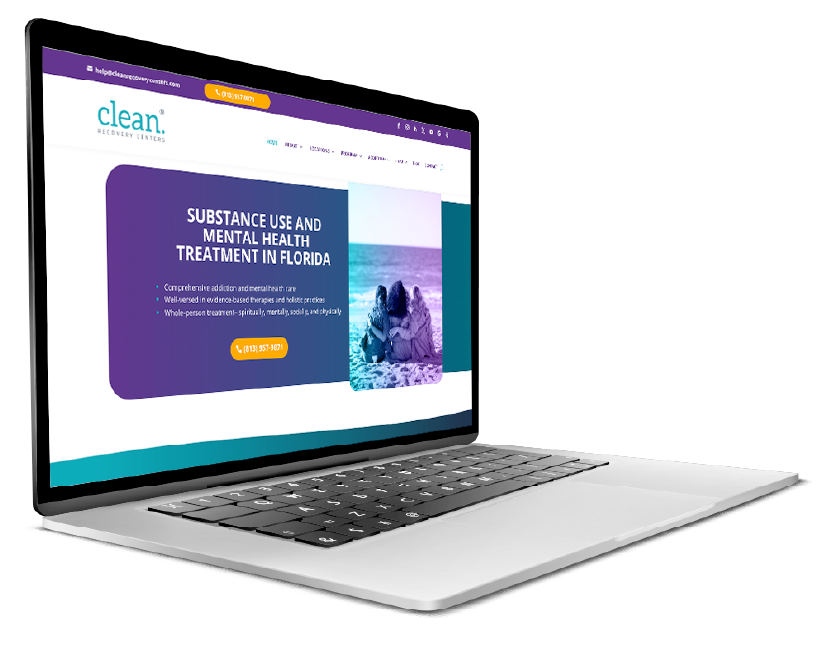
English Needs to Be Perfect
The next most important element is impeccable English. If there are simple grammar and spelling mistakes, or if the website reads like it was written by a non-native speaker, patients will leave and never call. This is the most common mistake we see when perusing medical tourism websites.
Oftentimes, the doctors or owners of the practice are not native English speakers themselves. When a local firm is hired to “translate” a website into English, even if spelling and grammar are correct, this often results in non-native phrasing. Because no one at the practice is a native English speaker, no one even notices that unnatural language use.
Always, always, always have a native-English speaking firm create the content for the website or, at the very least, pay them to copy edit any site content written by non-native speakers.
Reviews & Testimonials Build Trust
Online reviews can make or break a health tourism provider. If patients are looking at other providers that all have 4.5 or higher Google reviews and yours are at 4.2, you’re already off their call list. Soliciting and obtaining reviews to maintain as close to a 5-star rating as possible is incredibly important.
These then need to be linked on the site. Don’t just copy and paste a review from Google or Facebook onto your site. That doesn’t build enough trust. Display your star rating and the review, then hyperlink it to the actual online review so that potential patients know it’s legitimate.
In addition to reviews, online testimonials are also great, especially video testimonials. If you have patients who are very happy with their outcome, we highly recommend paying them to do a video testimonial for you that can be put on your website and used in advertising.
Accreditation, Assurances, and Guarantees Reduce Patient Risk
As mentioned previously, all accreditations, country-specific and international, need to be prominently displayed on the home page of the website.
We also recommend offering some kind of assurance or guarantee, anything that helps alleviate financial or medical risk to the patients. If the service you provide is known to have a 5% complication rate post procedure, then you want to have a policy in place letting patients know that you will support them in that event. This could be by having them stay in the country post procedure until you’re sure there aren’t any complications, offering a guarantee that you’ll service any complications free of charge if they fly back, or partner with a provider in the patient’s home country that you can refer them to and whom you pay the fees for.
Doctor profiles with education and certifications also need to be prominent on the site. Patients want to know who will be providing their care. If there is a primary doctor or doctors, they should be featured on the home page in addition to a dedicated staffing page.
Slide the arrow below to see changes!


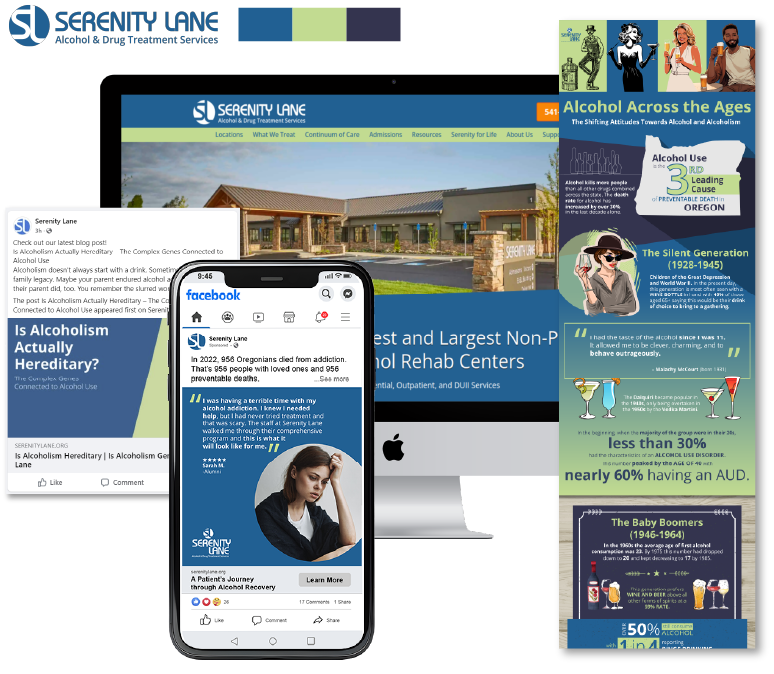
Marketing Campaigns for Medical and Health Tourism
Keep Costs Down by Focusing
The first thing to remember is that the more people you try to reach, the more expensive it will be. This is one reason for specializing. Trying to reach all of those looking for a facelift costs much less than trying to reach everyone looking for any kind of cosmetic surgery. Trying to reach patients in the UK with a population of 67 million is a lot cheaper than trying to reach all 330 million Americans.
Look at where patients come from. Do they come from specific countries? From specific cities in those countries? Are there certain profiles such as gender, age, or income level? The more you can narrow down your target audience, the cheaper and more effective your marketing will be.
Also, keep in mind that marketing costs in America, the UK, and Europe are more expensive than in many other countries. So if you’re a provider in Thailand or Turkey and you serve many local expats, then it’s a very good idea to commit money to marketing to foreigners locally as it’ll be your cheapest option. Foreigners living in the country also have far fewer concerns about seeking medical services, so are even easier to convert from inquiry to patient.
Know What You Can and Can’t Do
Different countries have different regulations. Marketing in the EU requires following very specific laws around privacy and tracking as defined in the GDPR guidelines. Google doesn’t allow marketing of substance use and addiction services outside the US. Neither Facebook nor Google allow retargeting for most healthcare services. The last thing you want is a large fine from the EU or your ad account and website getting banned from advertising due to lack of compliance.
What Platforms Work Best to Attract Patients?
Facebook and Google Ads are your number one channels for attracting patients. TikTok is also a great platform if they allow advertising for your service (they restrict advertising for some healthcare services).
Google Ads allows you to jump to the top of search results for those patients looking specifically for your services. These patients have already decided to seek care abroad, now they just need to choose you, and the right ad with the right landing page will do that. Google Ads should be the first place you invest marketing dollars.
Facebook, YouTube, and TikTok are next. Facebook and YouTube have older audiences, which are more likely to seek healthcare abroad, but 26% of TikTok users are over 25 and their platform allows you to restrict targeting based on age so you don’t waste marketing dollars reaching the wrong audience.
All of these platforms are fairly cheap from a marketing standpoint compared to traditional channels like TV, radio, or magazines. They also have very sophisticated targeting options to ensure your message isn’t going to the wrong people.
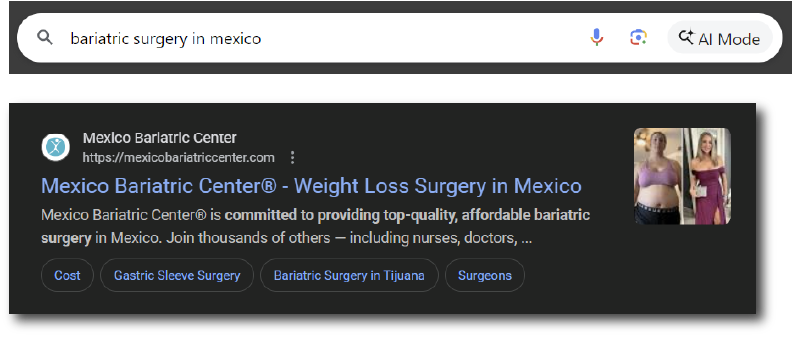
Search Engine Optimization (SEO) is also an important part of a marketing strategy for any medical tourism provider. While it is almost impossible to rank for generic terms like “orthopedic surgery,” “advanced cancer treatment,” or “implants” in another country, many patients know what country they want to go to. Patients do their research online and often make a decision on what countries they want to look at first, then they research specific providers.
In this situation, patients will search for “dental implants in Mexico,” “cosmetic surgery Dubai,” or “Micra AV pacemakers Malaysia.” When patients do these searches, you want to show up at the top of results, which is why good SEO is so important.
What Content Works Best to Attract Patients
Patients love videos as it really allows them to see the facility, learn about the services, and, ideally, hear directly from the doctor providing their care. Whenever possible, invest in the creation of video content. We also strongly recommend creating a video series that answers common patient questions. These videos can be used in advertising as well as live on the website.
If you don’t feel comfortable on camera or it’s hard to find a good videographer near you, then standard image and text ads also work. In this situation, the key is to capture attention and peak interest through the ads while providing a robust education on your website.
What you don’t want to do is create ads that ask patients to “call now” or “contact us today.” Medical tourism patients have too many questions they need answered before they’re ready to move forward. Instead, you want to send them to your website where they can learn more about you and your services. Then, on your website, you can have a call to action to contact you.
Outcomes and data are very valuable in marketing campaigns for health tourism. How many patients have you served? The more the better, put it in your ads and on the website. Do you have outcomes data such as how many successful surgeries or the percentage of happy patients? Being up front about results inspires confidence and will often set you apart from competitors who aren’t sharing any data.
Connecting Care with Community
Our Work in Action
We helped AAC see a 20% lift in admissions in their TX, NV, and CA markets within 3 months of campaign launch.
20%
increase in admissions







Why Choose Circle Social?
We care about patients and your organization. More than anything, we want you to be able to deliver the best care possible to patients who need your services.
- You wouldn't hire your kid's gym teacher to teach their algebra class. You shouldn't hire a random marketing agency to do your healthcare marketing. We have specialized expertise in healthcare that almost nobody else has. Having helped programs grow from the ground up as well as working with some of the largest providers in the country, we provide top to bottom support across your entire organization.
- We're constantly innovating to stay ahead of changes in the field.
- We build foundational systems and processes, then implement and execute on identified areas for growth that drive long-term, sustainable results for your organization.